Ayurveda, the 5,000-year-old Indian system of medicine and wellness, has always understood the skin as a mirror of internal health. Unlike modern skincare, which largely focuses on topical products to correct surface-level concerns, Ayurvedic skincare addresses the underlying imbalances in digestion, hormones, lifestyle, and constitution (prakriti) that manifest on the skin. This deep, holistic approach to skin health produces results that are not just cosmetic but genuinely transformative and lasting.
Know Your Skin Dosha
In Ayurveda, all individuals are constituted by a unique combination of three doshas: Vata (air and ether), Pitta (fire and water), and Kapha (earth and water). Your dominant dosha determines your skin type and its specific vulnerabilities. Vata skin tends to be thin, dry, delicate, and prone to premature aging and fine lines. Pitta skin is typically fair, sensitive, prone to redness, inflammation, and acne. Kapha skin is oily, thick, cool, and prone to enlarged pores, congestion, and cystic acne. Understanding your skin dosha guides you toward the most appropriate Ayurvedic treatments, herbs, and dietary choices for your specific skin.
Ubtan: The Original Ayurvedic Face Mask
Ubtan is a traditional Ayurvedic face and body scrub made from a blend of grains, herbs, and botanical ingredients. A classic Ubtan recipe combines besan (chickpea flour), turmeric, rose water, sandalwood powder, and milk or yogurt. This mixture gently exfoliates dead skin cells, brightens complexion, reduces tan, and nourishes the skin with multiple active ingredients simultaneously. Turmeric provides antibacterial and anti-inflammatory activity. Sandalwood soothes, cools, and tightens pores. Besan cleanses without stripping. Rose water hydrates and tones. Applied weekly, Ubtan produces a noticeable brightening and smoothing effect.
Best Ayurvedic Oils for Face and Body
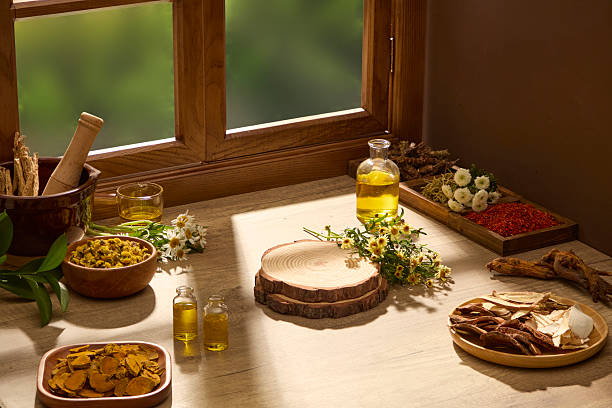
Facial oiling — applying natural plant oils to the face — is a cornerstone of Ayurvedic skincare that is now gaining recognition in modern dermatology. For Vata skin, sesame oil is the traditional recommendation — warming, deeply nourishing, and excellent for dry, aging skin. For Pitta skin, coconut oil is cooling and anti-inflammatory, while rose hip oil provides potent antioxidants and Vitamin A to address pigmentation. For Kapha skin, lighter oils like jojoba or sunflower oil are preferred, as they moisturize without adding excess oiliness. Kumkumadi oil — a premium Ayurvedic facial oil made from saffron and dozens of herbs — is celebrated for brightening, anti-aging, and complexion-evening effects.
Turmeric and Saffron: Gold-Standard Ayurvedic Brighteners
Turmeric has earned its place in Ayurvedic and modern skincare alike. Applied topically, its curcumin content inhibits melanin production (reducing dark spots and hyperpigmentation), fights acne-causing bacteria, reduces redness, and even shows promise for reducing the appearance of fine lines through its antioxidant activity. Saffron (Kumkuma) is equally revered — it contains safranal and crocin, compounds that inhibit tyrosinase (the enzyme responsible for melanin production) and possess antioxidant properties. A simple mask of a pinch of saffron soaked in warm milk, mixed with sandalwood powder, applied for 20 minutes can produce a visible brightening effect with regular use.
Dietary Principles for Glowing Skin in Ayurveda
Ayurveda consistently teaches that glowing skin is an outward expression of excellent internal health — particularly good digestion and a clean, nutritious diet. Foods that are freshly prepared, warm, and easy to digest are preferred over cold, processed, or leftover foods. Specific skin-supporting foods include ghee (clarified butter), which is a Rasayana (rejuvenative) in Ayurveda and provides fat-soluble vitamins and supports gut health; amla, considered the greatest Rasayana for all tissues including skin; and seasonal fruits and vegetables eaten in their natural state. Avoiding excessively spicy, sour, and salty foods is recommended for Pitta-dominant individuals prone to skin inflammation.
Dinacharya: Daily Routines for Radiant Skin
Ayurveda prescribes a daily routine (Dinacharya) that directly supports skin health. Rising before sunrise, oil pulling, tongue scraping, and warm water drinking upon waking support the body’s natural detoxification process. Gentle self-massage (Abhyanga) with warm sesame oil before bathing nourishes the skin, improves circulation, and calms the nervous system — all of which reflect positively on skin quality. Meditating or practicing yoga before breakfast reduces cortisol and supports balanced dosha function. These rituals, practiced consistently, create a biological environment in which healthy, glowing skin is the natural outcome.
Conclusion
Ayurvedic skincare offers a profound alternative to the product-heavy, surface-focused approach of conventional beauty. By understanding your skin dosha, nourishing it with appropriate herbs and oils, supporting digestion and detoxification through diet, and practicing consistent daily rituals, you can achieve a quality of skin health that topical products alone can never provide. This is skincare as a complete system — and its results reflect that depth.
⚠ Disclaimer: Disclaimer: The information provided in this article is for educational and informational purposes only and should not be construed as professional medical advice, diagnosis, or treatment. Always seek the guidance of a qualified healthcare provider or physician with any questions you may have regarding a medical condition or health concern. Never disregard professional medical advice or delay seeking it because of something you have read in this article. Individual results may vary, and the effectiveness of any remedy, treatment, or health approach mentioned here is not guaranteed.