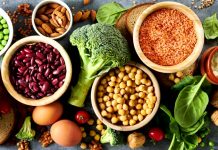

The term ‘superfood’ is used frequently in health and wellness circles, sometimes to sell expensive products or exotic ingredients. But at its core, a superfood is simply a food that delivers an exceptionally high concentration of beneficial nutrients — vitamins, minerals, antioxidants, healthy fats, fiber, or phytochemicals — relative to its caloric content. The best superfoods are not necessarily rare or expensive; many are humble, accessible, and deeply embedded in traditional diets around the world.
Moringa: The Miracle Tree of Nutrition
Moringa oleifera, known as the ‘drumstick tree’ in India, is arguably one of the most nutrient-dense plants on earth. Gram for gram, moringa leaves contain more Vitamin C than oranges, more calcium than milk, more iron than spinach, more potassium than bananas, and more Vitamin A than carrots. Moringa also provides all nine essential amino acids, making it a rare complete plant protein. Its leaves are rich in antioxidants including quercetin and chlorogenic acid, which have been associated with blood sugar regulation, reduced inflammation, and cholesterol lowering. Moringa powder can be added to smoothies, soups, and teas for a potent nutritional boost.
Turmeric: The Golden Anti-Inflammatory Spice
Turmeric, the vibrant yellow spice foundational to Indian cuisine and Ayurvedic medicine, has accumulated an impressive body of scientific research supporting its health benefits. Its primary bioactive compound, curcumin, is one of the most potent natural anti-inflammatory and antioxidant agents known. Curcumin has been studied for potential benefits in arthritis, depression, metabolic syndrome, chronic pain, and even neurodegenerative diseases. The challenge with curcumin is its poor bioavailability when consumed alone — but combining it with black pepper (which contains piperine) enhances absorption by up to 2000 percent. A daily ‘golden milk’ of turmeric, black pepper, and warm milk is a delicious and effective delivery mechanism.
Blueberries: The Antioxidant Powerhouse
Blueberries are consistently ranked among the highest antioxidant fruits, primarily due to their extraordinary anthocyanin content — the pigments that give them their characteristic deep blue color. These anthocyanins have been extensively linked to improved brain function, reduced age-related cognitive decline, lower blood pressure, reduced LDL oxidation (relevant to heart disease prevention), improved insulin sensitivity, and protection against DNA damage. Studies on populations with high berry consumption show consistently lower rates of cardiovascular disease and cognitive decline. A handful of blueberries daily — fresh or frozen — is an easy and delicious way to access their benefits.
Legumes: The Longevity Superfood
Beans and lentils are perhaps the most underappreciated superfoods. As noted in Blue Zone research, legume consumption is the single most consistent dietary pattern across all five longevity hotspots worldwide. Legumes are extraordinarily rich in fiber (both soluble and insoluble), plant protein, folate, iron, magnesium, potassium, and resistant starch. Their combination of fiber and protein makes them exceptionally satiating, supporting healthy weight management. Regular legume consumption is associated with reduced risk of heart disease, type 2 diabetes, colorectal cancer, and all-cause mortality. Including at least half a cup of lentils, kidney beans, chickpeas, or black beans daily is one of the highest-return nutritional investments.
Fermented Foods: Superfoods for the Gut Microbiome
Fermented foods have been part of human diets across every culture for millennia, and modern microbiome research is validating their profound health benefits. Fermented foods are living foods that contain beneficial bacteria (probiotics) produced during the fermentation process. Yogurt and kefir provide lactobacillus and bifidobacterium species that support gut microbiome diversity and immune function. Kimchi and sauerkraut provide lactic acid bacteria with potent anti-inflammatory effects. Kanji (a traditional North Indian fermented black carrot drink) and other regional fermented preparations are similarly beneficial. Regular consumption of fermented foods has been associated with increased gut microbiome diversity, reduced inflammation, improved digestion, and enhanced immune responses.
Seeds: Small but Nutritionally Mighty
Seeds deserve their superfood status despite their small size. Chia seeds are extraordinary concentrated sources of omega-3 fatty acids, calcium, magnesium, fiber, and protein. Flaxseeds are the richest dietary source of lignans (phytoestrogens with anti-cancer properties) and omega-3 fatty acids. Pumpkin seeds are among the best dietary sources of zinc, which is critical for immune function, wound healing, and reproductive health. Hemp seeds provide a complete protein with an ideal omega-6 to omega-3 ratio. Incorporating a tablespoon or two of mixed seeds into yogurt, smoothies, or salads daily adds a remarkable nutritional density to your diet.
Conclusion
The most powerful dietary strategy is not to focus on any single superfood but to cultivate a diet rich in diverse, minimally processed, nutrient-dense whole foods from every color of the rainbow. The superfoods discussed here are excellent additions to any diet, but they work best in the context of an overall eating pattern that prioritizes variety, whole foods, and balance over any single magic ingredient.
⚠ Disclaimer: Disclaimer: The information provided in this article is for educational and informational purposes only and should not be construed as professional medical advice, diagnosis, or treatment. Always seek the guidance of a qualified healthcare provider or physician with any questions you may have regarding a medical condition or health concern. Never disregard professional medical advice or delay seeking it because of something you have read in this article. Individual results may vary, and the effectiveness of any remedy, treatment, or health approach mentioned here is not guaranteed.