
Vitamin B12 is an essential water-soluble vitamin that plays fundamental roles in red blood cell formation, DNA synthesis, nerve function, and energy metabolism. Despite its critical importance, B12 deficiency is surprisingly common — particularly among older adults, vegetarians and vegans, and people with certain gastrointestinal conditions. What makes B12 deficiency especially insidious is that its symptoms can be subtle and develop gradually, often going undetected for years while causing progressive damage.
What is Vitamin B12 and Why Does the Body Need It?
Vitamin B12, also known as cobalamin, is unique among vitamins in several ways. It is the largest and most structurally complex of all vitamins. It is found almost exclusively in animal products. And unlike most water-soluble vitamins that are excreted if consumed in excess, B12 is stored in the liver and kidneys — with sufficient stores to last two to four years. The body needs B12 to produce red blood cells, synthesize and repair DNA, form the myelin sheath that insulates and protects nerve fibers, and produce energy from fats and proteins. A deficiency in any of these functions can have serious health consequences.
Early Warning Signs and Symptoms of B12 Deficiency
Because B12 deficiency develops gradually, early symptoms are often nonspecific and easily attributed to other causes. Fatigue and weakness are among the first signs, often dismissed as overwork or poor sleep. Tingling, numbness, or a pins-and-needles sensation in the hands and feet — reflecting nerve damage — is a more specific early neurological sign. Difficulty walking or maintaining balance may follow. Pale or jaundiced skin occurs as red blood cells are produced inadequately or destroyed more rapidly. Mood changes including depression and irritability, difficulty concentrating or memory lapses, and inflammation or soreness of the tongue (glossitis) are other characteristic symptoms. In severe cases, megaloblastic anemia (large, dysfunctional red blood cells) causes profound fatigue, shortness of breath, and rapid heartbeat.
Who is Most at Risk for B12 Deficiency?
Vegetarians and vegans face the highest risk because B12 is found almost exclusively in animal products. Without supplementation or fortified foods, plant-based eaters will inevitably become deficient over time. Older adults above 50 are particularly vulnerable because the stomach produces less hydrochloric acid and intrinsic factor (a protein essential for B12 absorption) with age. People with autoimmune conditions like pernicious anemia completely lack intrinsic factor and cannot absorb dietary B12 at all. Those with gastrointestinal conditions like Crohn’s disease, celiac disease, or who have had bariatric surgery have impaired B12 absorption. Certain medications — particularly metformin (a diabetes drug) and proton pump inhibitors (for acid reflux) — reduce B12 absorption with long-term use.
Best Natural Food Sources of Vitamin B12
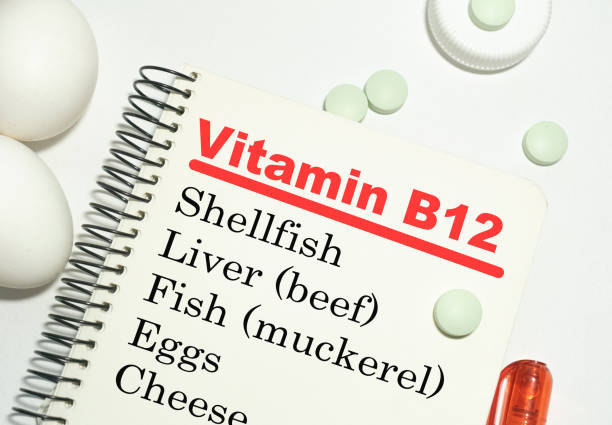
Animal foods are the most reliable dietary sources of B12. Liver and kidneys are extraordinarily rich — a single serving of beef liver provides well over a week’s worth of B12. Clams and oysters are the most concentrated seafood sources. Sardines, salmon, tuna, and other fatty fish provide excellent amounts. Eggs and dairy products (milk, yogurt, cheese) provide moderate amounts. For vegetarians and vegans, the reliable options are limited: nutritional yeast (grown on B12-containing media), fortified plant milks, fortified breakfast cereals, and certain fortified meat alternatives. Seaweed and fermented foods like tempeh are sometimes cited as plant-based sources, but the B12 they contain is often in a form that the body cannot absorb effectively, making them unreliable sources.
B12 Supplements: Forms and Dosing
For those at risk of deficiency or already deficient, B12 supplementation is safe, affordable, and highly effective. The two most common supplemental forms are cyanocobalamin (synthetic, stable, and widely used) and methylcobalamin (a natural form that some consider more bioavailable). For general prevention, an oral supplement of 250 to 500 mcg daily is typically sufficient. For those with absorption problems (like pernicious anemia or post-bariatric surgery patients), high-dose oral B12 (1000 mcg daily) may still be absorbed through passive diffusion, or intramuscular injections prescribed by a doctor may be required. Sublingual (under-the-tongue) tablets are another absorption-enhancing option.
Neurological and Cognitive Consequences of Prolonged Deficiency
If B12 deficiency is not addressed, neurological damage can become permanent. The myelin sheath surrounding nerves degenerates without adequate B12, causing subacute combined degeneration of the spinal cord — a serious condition characterized by progressive weakness, spasticity, balance problems, and cognitive impairment. Memory loss and dementia-like symptoms from B12 deficiency can sometimes be reversed if caught early, but prolonged deficiency may result in permanent cognitive damage. This is why early detection and prompt treatment are so important.
Conclusion
Vitamin B12 deficiency is both common and preventable. By including adequate animal-based foods in your diet, using appropriate fortified foods or supplements if you follow a plant-based diet, and getting routine blood testing if you belong to a high-risk group, you can protect your neurological health, maintain energy levels, and prevent the serious consequences of prolonged deficiency. If you suspect B12 deficiency, a simple blood test from your doctor can confirm or rule it out.
⚠ Disclaimer: Disclaimer: The information provided in this article is for educational and informational purposes only and should not be construed as professional medical advice, diagnosis, or treatment. Always seek the guidance of a qualified healthcare provider or physician with any questions you may have regarding a medical condition or health concern. Never disregard professional medical advice or delay seeking it because of something you have read in this article. Individual results may vary, and the effectiveness of any remedy, treatment, or health approach mentioned here is not guaranteed.