Debunking the Fear: What Actually Happens During a Clinical Peel
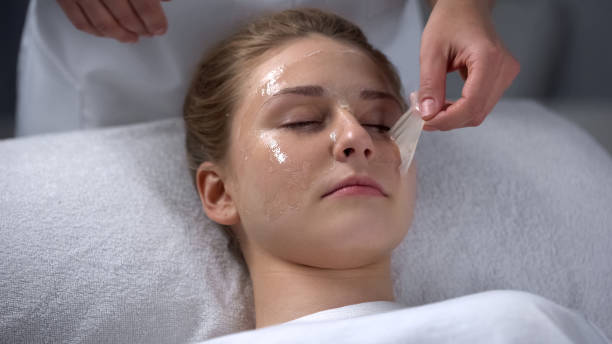
Mentioning the phrase chemical peel to someone considering skin therapy sometimes conjures up dramatic images of raw skin or long, uncomfortable recovery periods spent hiding indoors. Fortunately, modern aesthetic chemistry has evolved far beyond the harsh, aggressive formulas of decades past. Today’s professional peels are sophisticated, highly controlled treatments that gently dissolve dead surface buildup without unnecessarily stressing surrounding tissue.
Rather than forcibly stripping the skin, a clinical peel uses naturally derived acids—such as alpha-hydroxy acids, beta-hydroxy acids, and trichloroacetic acid—to break down microscopic cellular bonds. This process lets your skin shed its dull outer layer, revealing fresh, healthy skin cells beneath. Understanding what a professional peel actually removes helps demystify the process and highlights why it remains a favorite treatment among skin health professionals.
Dissolving Cellular Glue: Clearing Away Dead Keratinocytes and Dullness
Your skin’s outermost protective shield, the stratum corneum, is made up of flat, hardened dead cells called keratinocytes. In healthy, young skin, these cells slough off naturally every twenty-eight days. However, as cellular turnover slows with age, these dead cells linger on the surface, held together by specialized protein structures called desmosomes.
When dead keratinocytes accumulate, they trap light instead of reflecting it, leaving your complexion dull, sallow, and tired. Applying targeted chemical peel treatments effectively dissolves these protein bonds, releasing trapped dead cells in a uniform, controlled manner. Once this dull surface barrier is removed, your skin regains its smooth texture and natural ability to bounce light, producing an instant, healthy glow.
Evicting Entrenched Sebum and Decongesting Stubborn Pore Structure
For people with oily skin, persistent blackheads, or enlarged pores, surface washes often fall short because they cannot penetrate oil-filled pore channels. This is where oil-soluble beta-hydroxy acids, such as salicylic acid, do their best work during a professional peel.
Because salicylic acid is lipophilic, it bypasses surface moisture and reaches congested sebaceous glands. Once inside the pore, it breaks down hardened sebum plugs, accumulated cosmetics, and trapped dead skin cells that cause stubborn blackheads and inflammatory acne breakouts. Clearing these deep blockages lets enlarged pore walls contract, resulting in refined, noticeably smoother skin across the nose, chin, and forehead.
Fading Hyperpigmentation and Dismantling Sun-Damaged Pigment Clusters
Sun exposure, hormonal fluctuations, and past acne inflammation frequently leave behind uneven dark patches known as hyperpigmentation. This excess pigment, produced by overactive melanocytes, settles in the upper skin layers and can persist for months or even years if left unaddressed.
Exfoliating acids like glycolic, lactic, and mandelic acid target these pigmented cells directly. By accelerating epidermal turnover, a series of professional peels systematically lifts away layers of hyperpigmented cells while suppressing the enzyme responsible for melanin production. As fresh, unpigmented cells migrate to the surface, stubborn sun spots and post-blemish marks fade away, restoring a balanced, luminous skin tone.
Smoothing Micro-Texture, Fine Lines, and Superficial Acne Scars
Beyond clearing surface discoloration, chemical resurfacing works beneath the surface to improve overall skin structure. When medium-depth acids penetrate the upper dermis, they create a mild, controlled stimulus that encourages your body to synthesize fresh hyaluronic acid and structural collagen.
This surge in internal hydration and protein production plumps up fine lines from within and softens the sharp edges of superficial acne scars. Over a curated series of peel appointments, rough, uneven skin texture gives way to a velvety, soft surface that looks effortlessly polished and lets daily skincare products absorb easily.
Elevate Your Skin Care Strategy With Clinical Resurfacing
Adding professional chemical resurfacing to your skincare routine offers a reliable, science-backed way to remove years of accumulated environmental damage, excess oil, and dull surface cells. By choosing formulas tailored to your skin type and sensitivity, you can achieve transformative results without unnecessary downtime.
Ready to shed dullness and reveal your clearest, most luminous complexion yet? Contact an experienced clinical aesthetician today to schedule your comprehensive skin assessment and discover how a customized professional peel can transform your skin health.